Educational. Emotional. Entertain-ational
What makes LinkedIn newsletters interesting is that most brands still treat them like corporate bulletin boards.
Which is bizarre, because LinkedIn is one of the few platforms where people are actually willing to spend time reading longer-form thinking if it rewards them intellectually, emotionally, or professionally.
And yet most newsletters there become: industry updates, company milestones, trend summaries, founder gyaan, or thinly disguised (you are not fooling anyone) lead generation.
In other words, FORGETTABLE.
I feel like brands are missing areal opportunity. A newsletter can become a space where a company demonstrates how it thinks, not just what it sells.
Because audiences today do not really build affinity with brands through product claims alone anymore. They build affinity through taste and perspective. Through what a brand chooses to notice about the world.
That was the thinking behind Plated for FirstClub.
The category itself was deeply transactional. Grocery communication everywhere is optimized for urgency: quick delivery, offers, launches, and convenience.
But food is one of the richest emotional and cultural subjects we interact with daily. It carries memory, family, migration, comfort, identity, cinema, rituals, superstition, class, geography, sometimes all in a single meal.
So instead of creating another newsletter filled with promotions, Plated was imagined almost like a small cultural publication living inside a commerce brand.
One week we explored why Indians once distrusted tomatoes after they arrived from the Americas. Another week looked at how older generations bought food entirely through instinct and touch before packaging replaced observation. Another unpacked why comfort food emotionally works only after years of repetition and association.
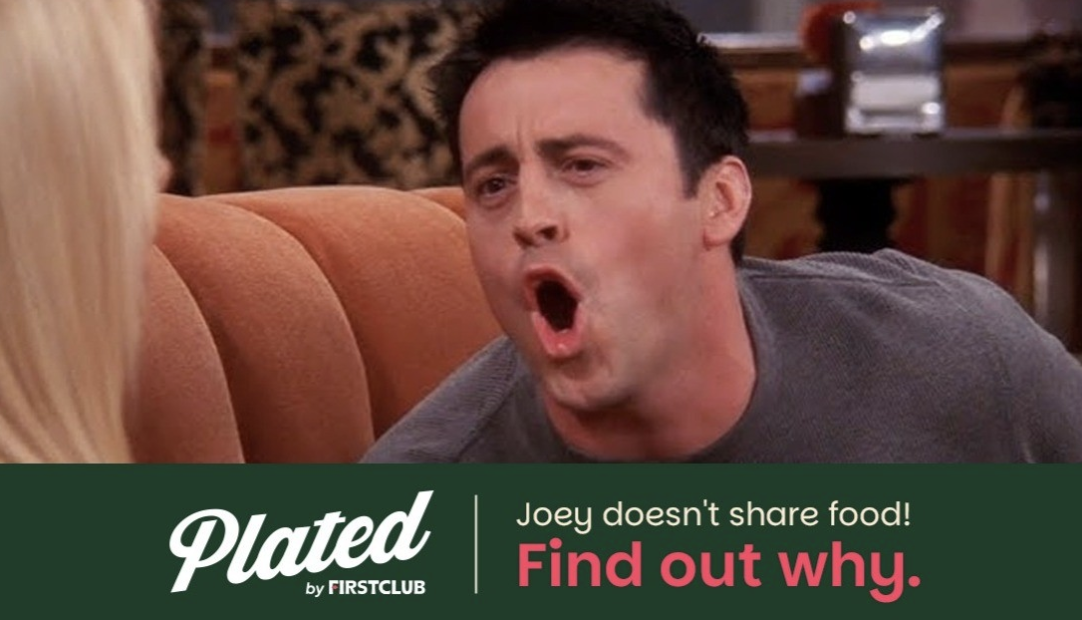
There were Ghibli ramen scenes, khichdi politics, food myths about watermelon seeds growing inside stomachs. We explored why grilled cheese sandwiches are emotional repair systems and also dug into why in god’s name does Joey not share his food.
And importantly, products still existed inside the newsletter. But they appeared as part of a larger food conversation rather than interrupting it.
A good newsletter slowly teaches audiences: this is how this brand sees the world, what it pays attention to, and the quality of thought it brings into its category.
Over time, that creates something far more valuable than reach: familiarity, trust, and anticipation.
The best newsletters do not merely distribute information. They build intellectual and emotional association over time. And increasingly, that is what makes brands memorable.