
How Do You Sell "Getting Lost"?
Most websites are built to answer a fairly straightforward question: what is this thing and why should I care?
The Gonecase website had a harder job.
We weren't trying to explain a product. We were trying to explain a worldview. Gonecase is built on a belief that feels almost radical today: creativity is not a talent. It is a birthright.
That sounds simple enough until you try putting it on a website.
The internet easily grasps things that help you save time, make money, learn faster, or become more productive. Gonecase does none of those things, and yet could possibly help you with all. The internet understands subscriptions, features, outcomes, and growth. It does not particularly understand wandering around, following curiosity, or playing pointless games for no points. Yet that is exactly what Gonecase encourages people to do.
The website had to hold three truths at the same time. It had to feel playful because creativity begins with play. Thoughtful because creativity is a serious philosophical idea, not just an activity. And credible because it is still a business that needed people to trust it enough to download it.
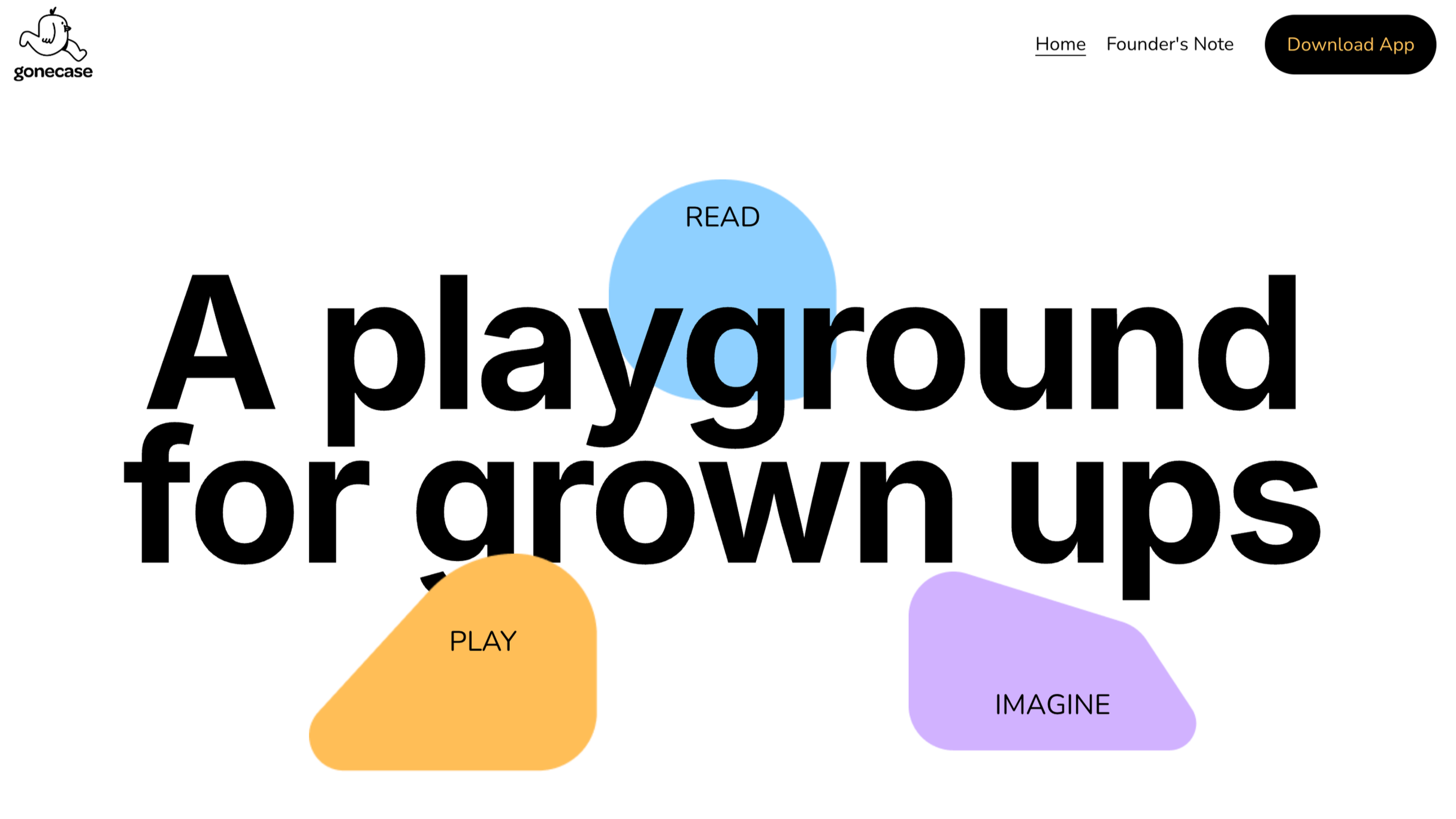
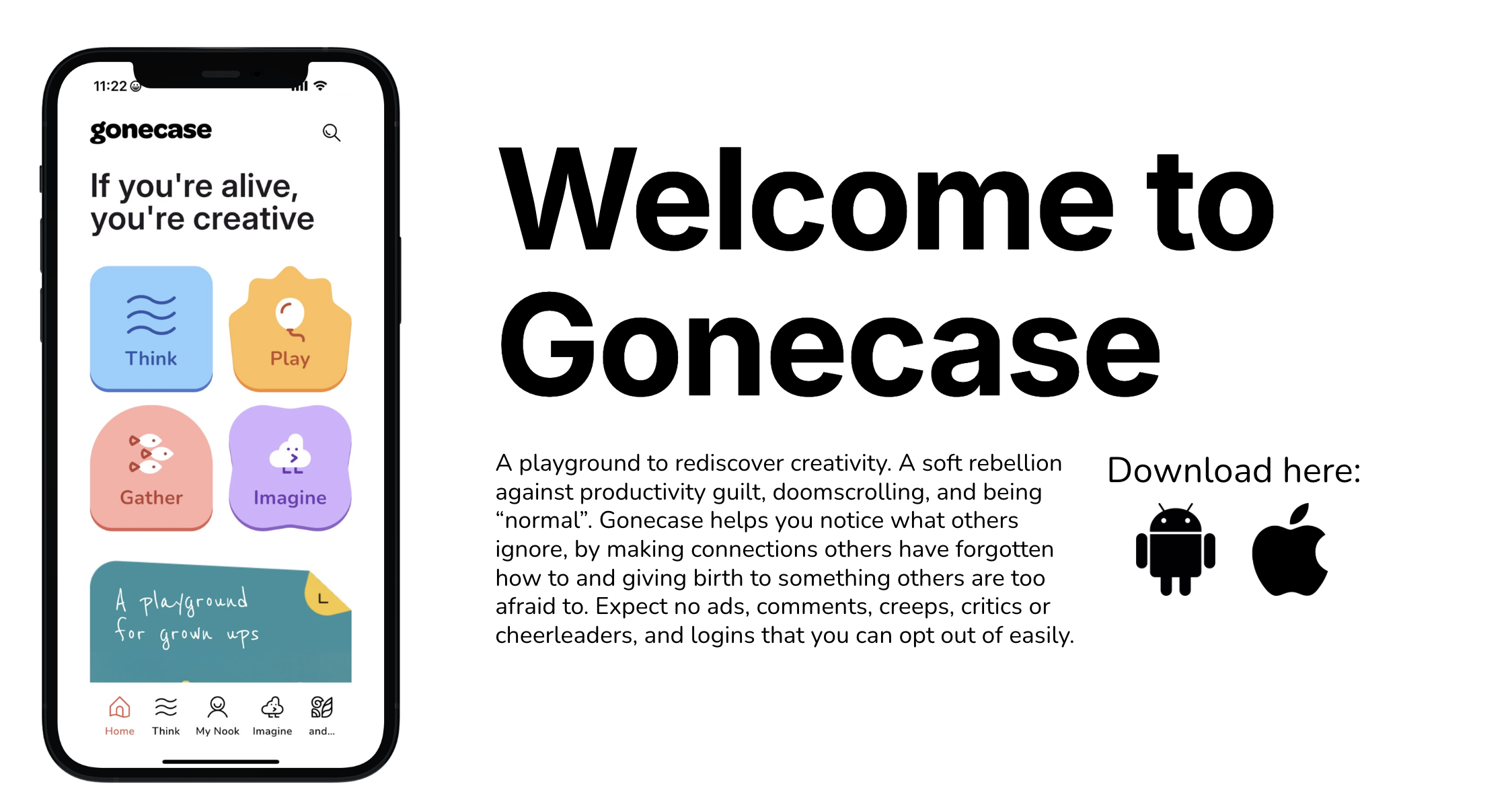
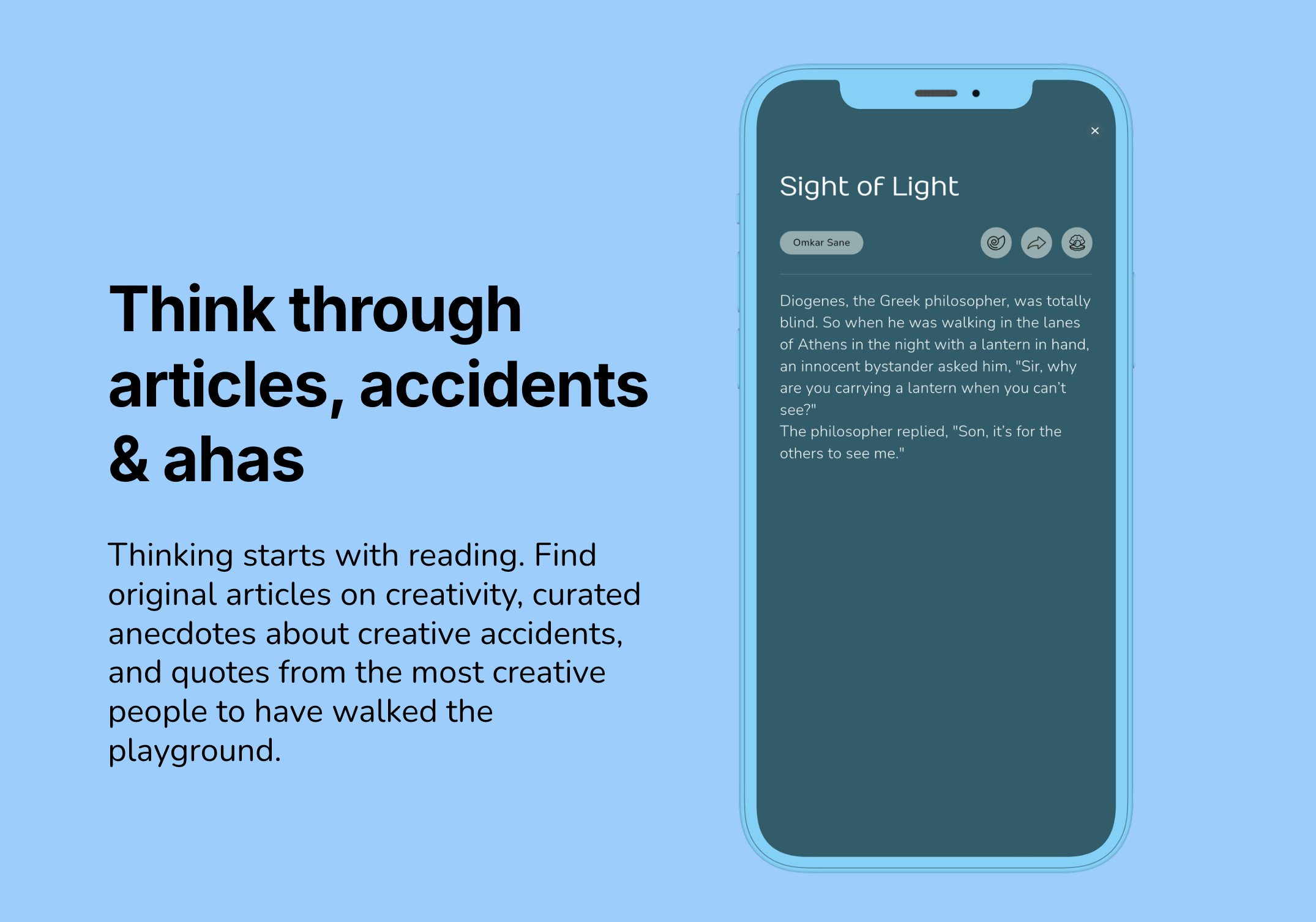
The design system emerged from this tension. The oversized typography brought clarity and confidence. The soft shapes and playful colours introduced curiosity without becoming childish. The layouts remained simple enough for the ideas to take centre stage.
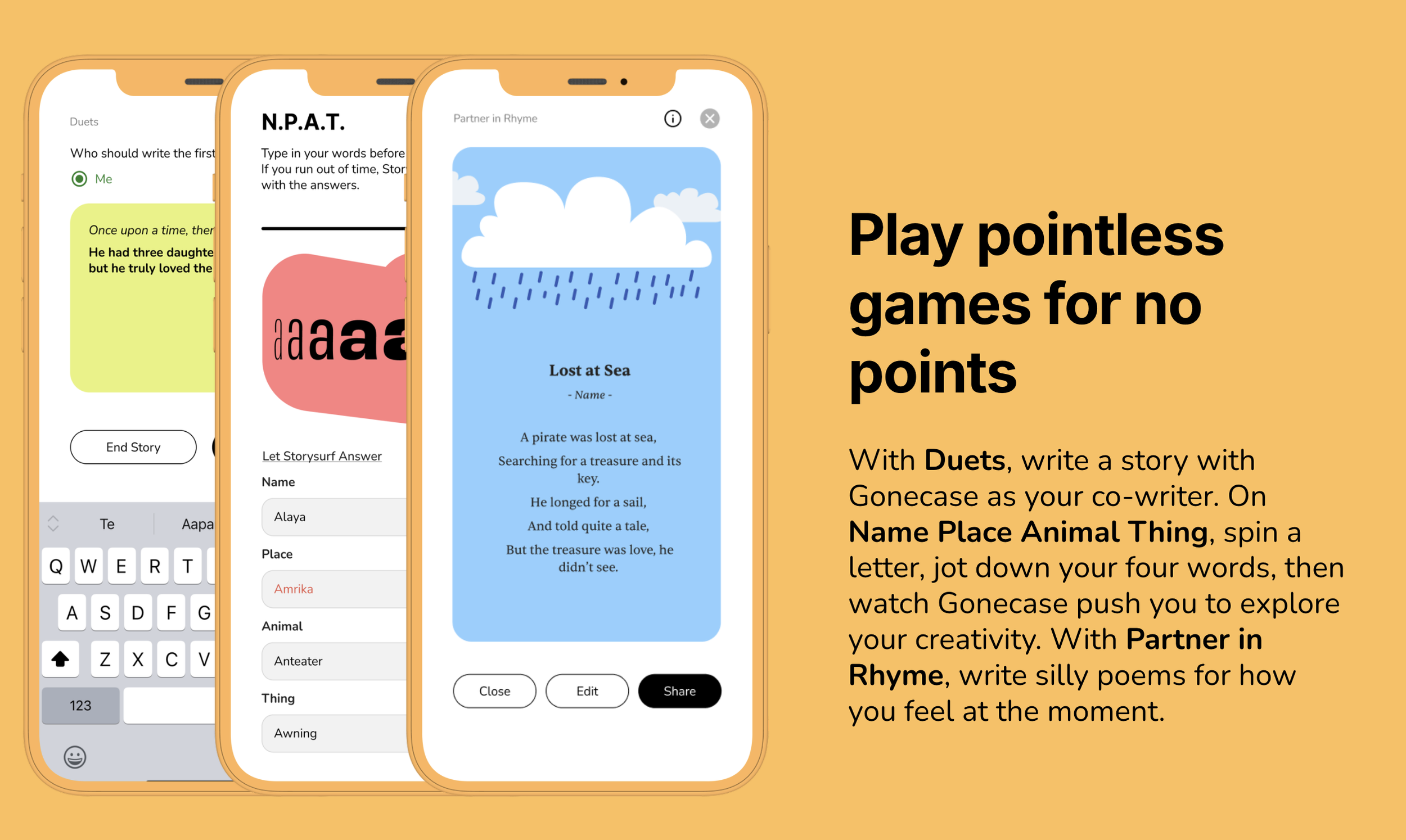
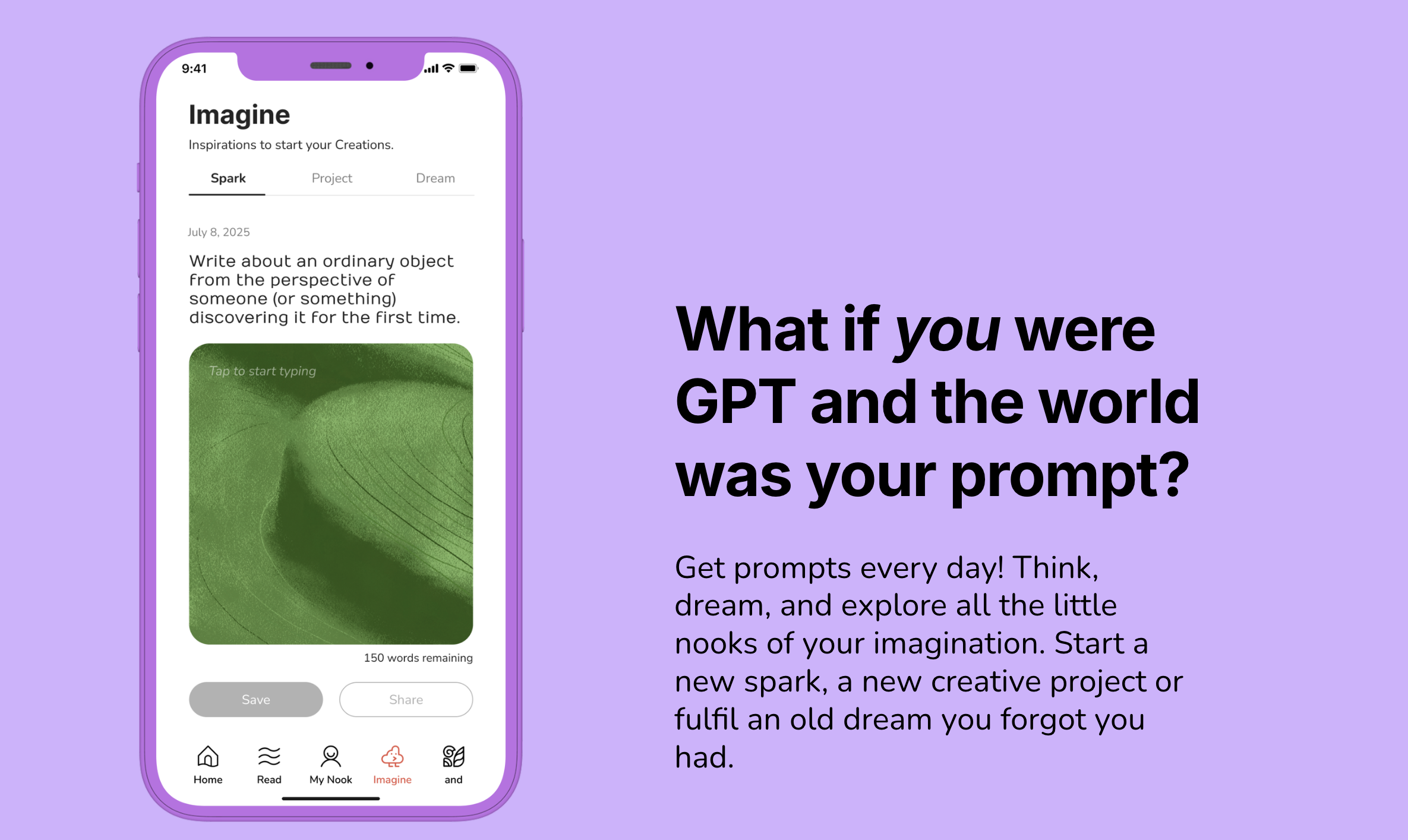
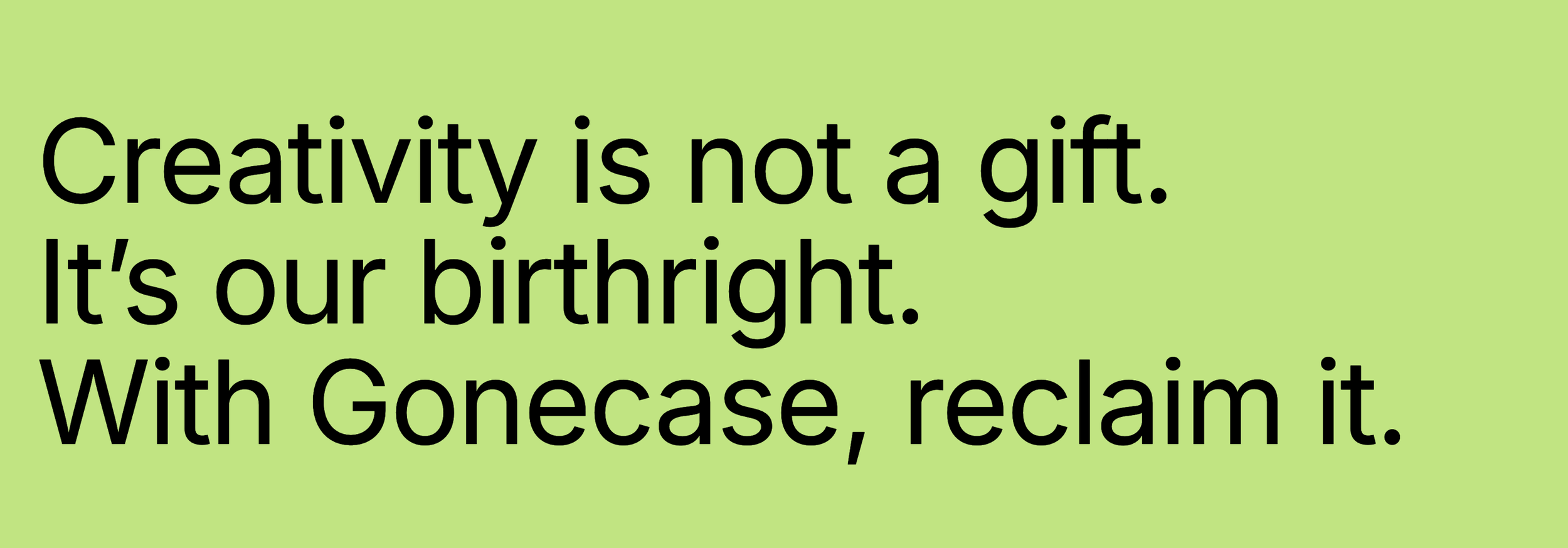
But the most important design decisions were made with words.
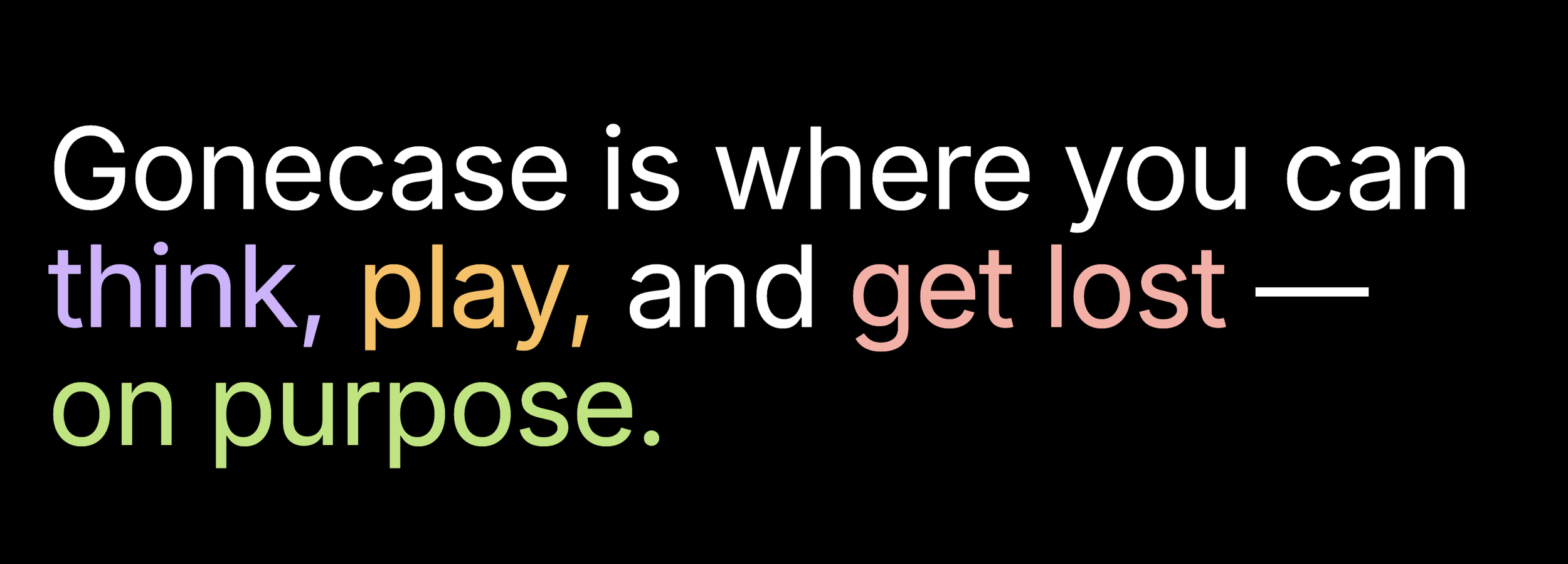
Every product category comes with a language people expect. Productivity apps promise optimisation. Learning apps promise improvement. Business apps promise efficiency. Gonecase could not honestly promise any of those things. So the copy refused to speak that language. Instead of promising outcomes, it invited exploration. Instead of selling creativity as a skill, it treated it as something people already possess. Instead of asking people to become more productive, it gave them permission to get lost on purpose.
Most brand websites are built around a promise. Gonecase was built around a permission.
Here is the thing: people don't struggle to understand creativity. They struggle to include themselves as creative. Most adults hear the word "creative" and immediately think of somebody else. The website's real job was not explaining Gonecase. It was helping people realise the app was talking to them about them.
