
My association with WeUnlearn began when I was the editor at New Love Times, where I was doing a series of interviews called NLT Talks. One of those conversations was with Meghna Chaudhury and Alishya Almeida, the women behind The Irrelevant Project, a team of everyday feminists creating fiction for children that challenged the stereotypes and biases they encountered in the world around them. I was drawn to the idea of using stories as a way to build awareness and critical thinking in children, and especially to the books they were creating: playful, accessible stories that could introduce children to ideas around gender, identity and difference without turning them into lessons.
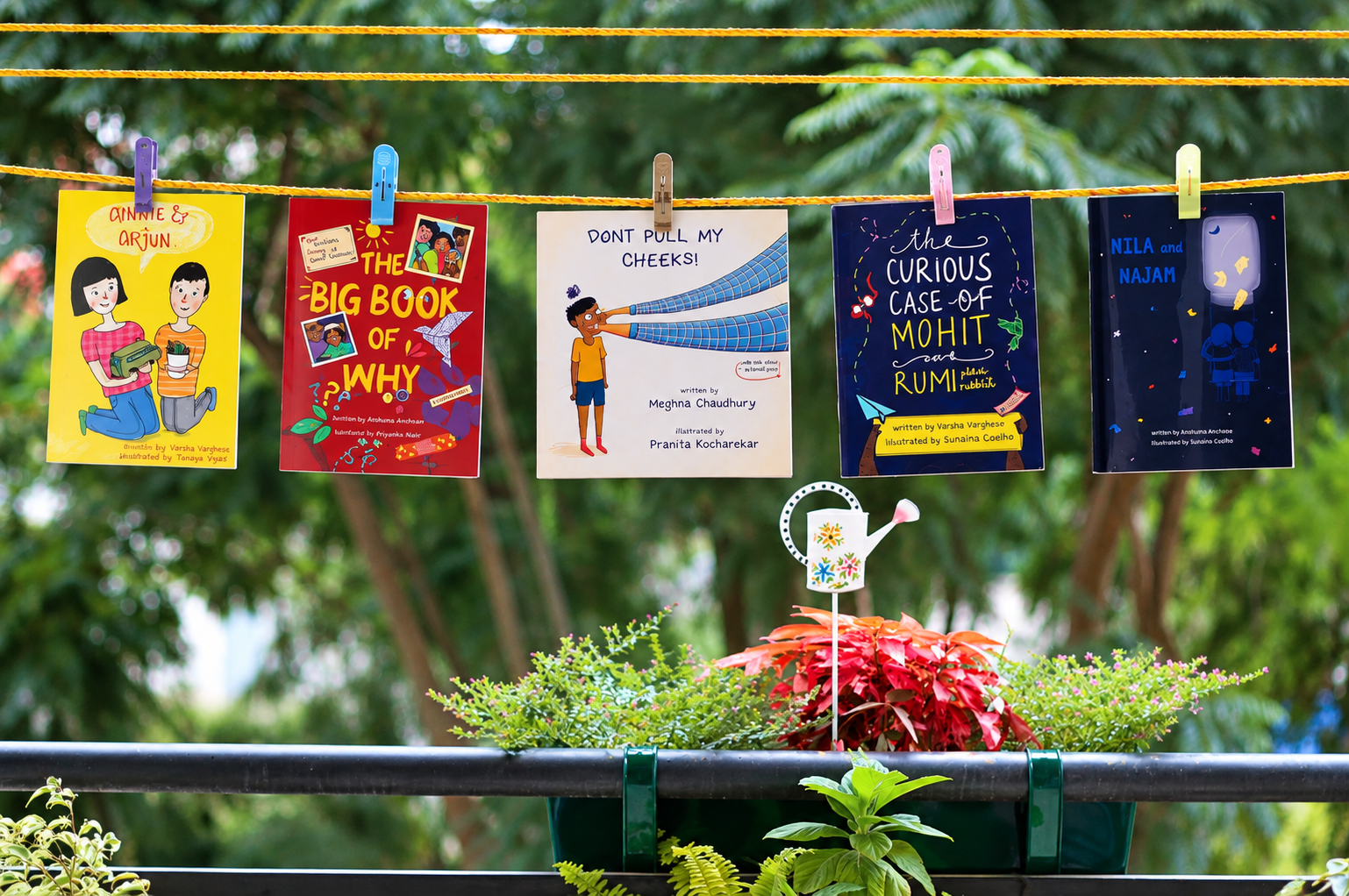
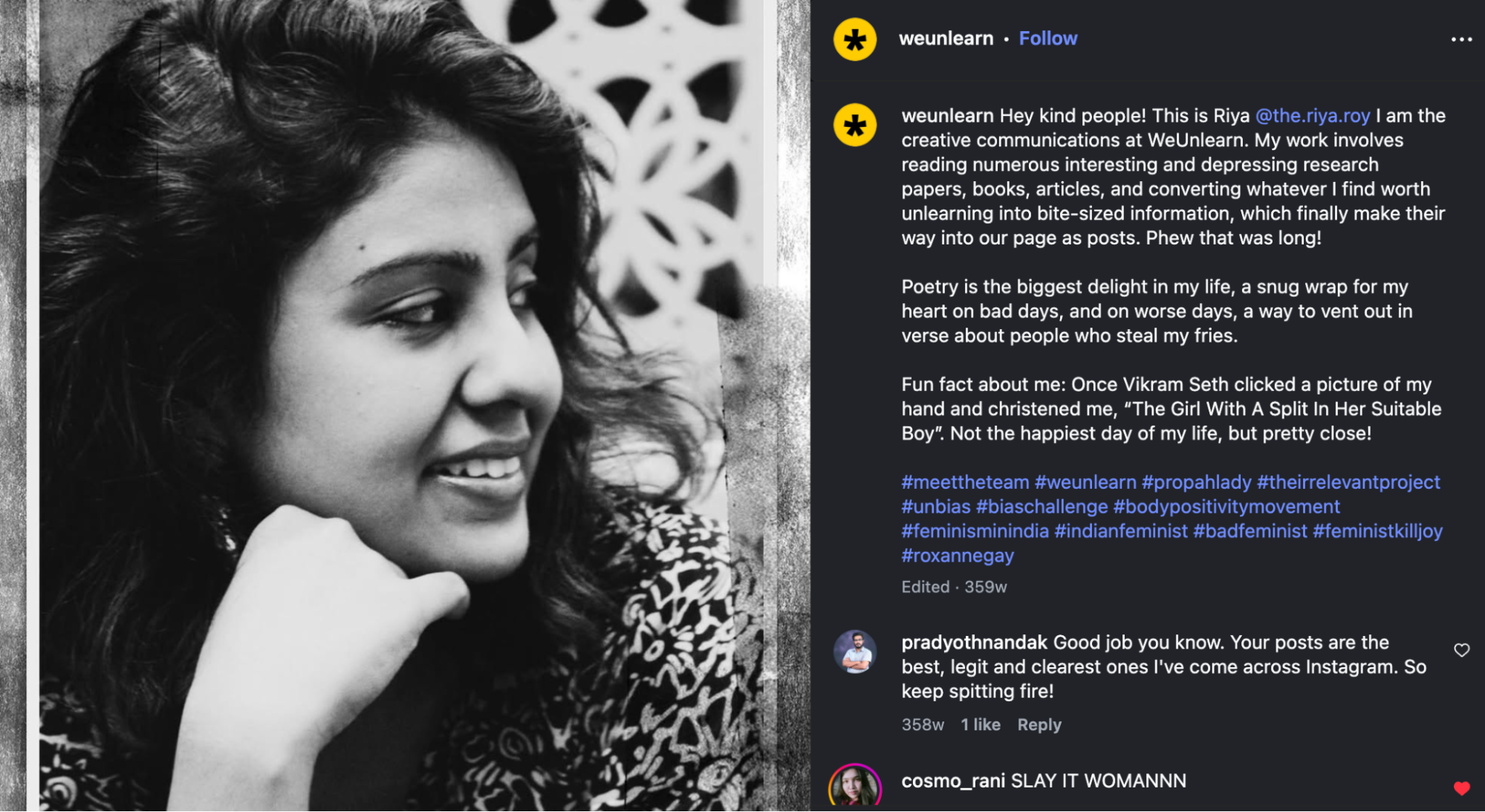
We stayed in touch after the interview, and when Meghna began building WeUnlearn, she quickly roped me in.
The work there was rooted in research on gender, feminism, prejudice and bias, but the challenge was making that research meaningful to people outside academic and activist spaces. I worked on turning papers, statistics and complex ideas into visual, accessible social content without losing the evidence underneath. A large part of my role became figuring out how to make serious ideas easier to enter: finding the story, the cultural reference or the visual language that could make someone stop, look and want to know more.
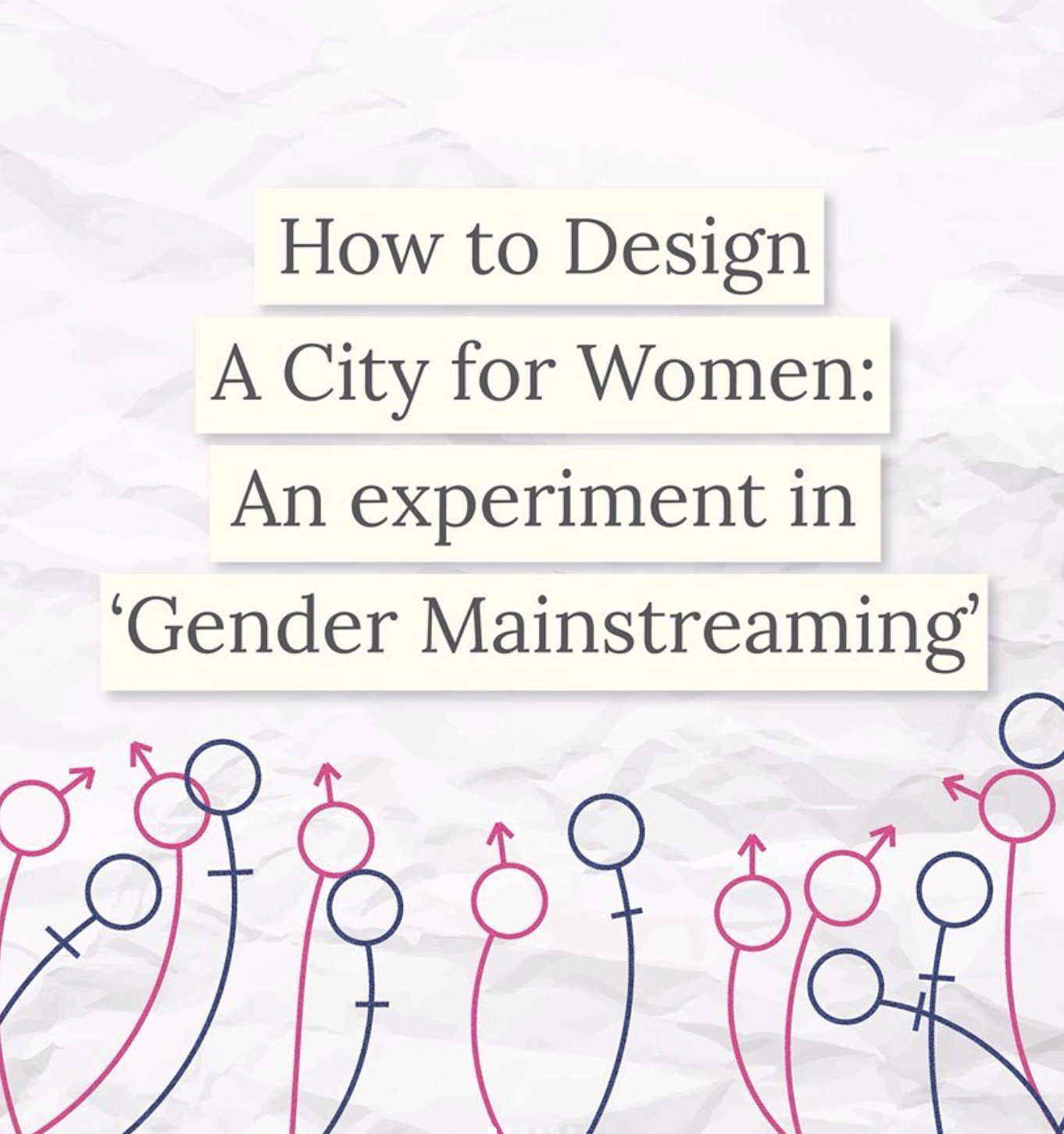
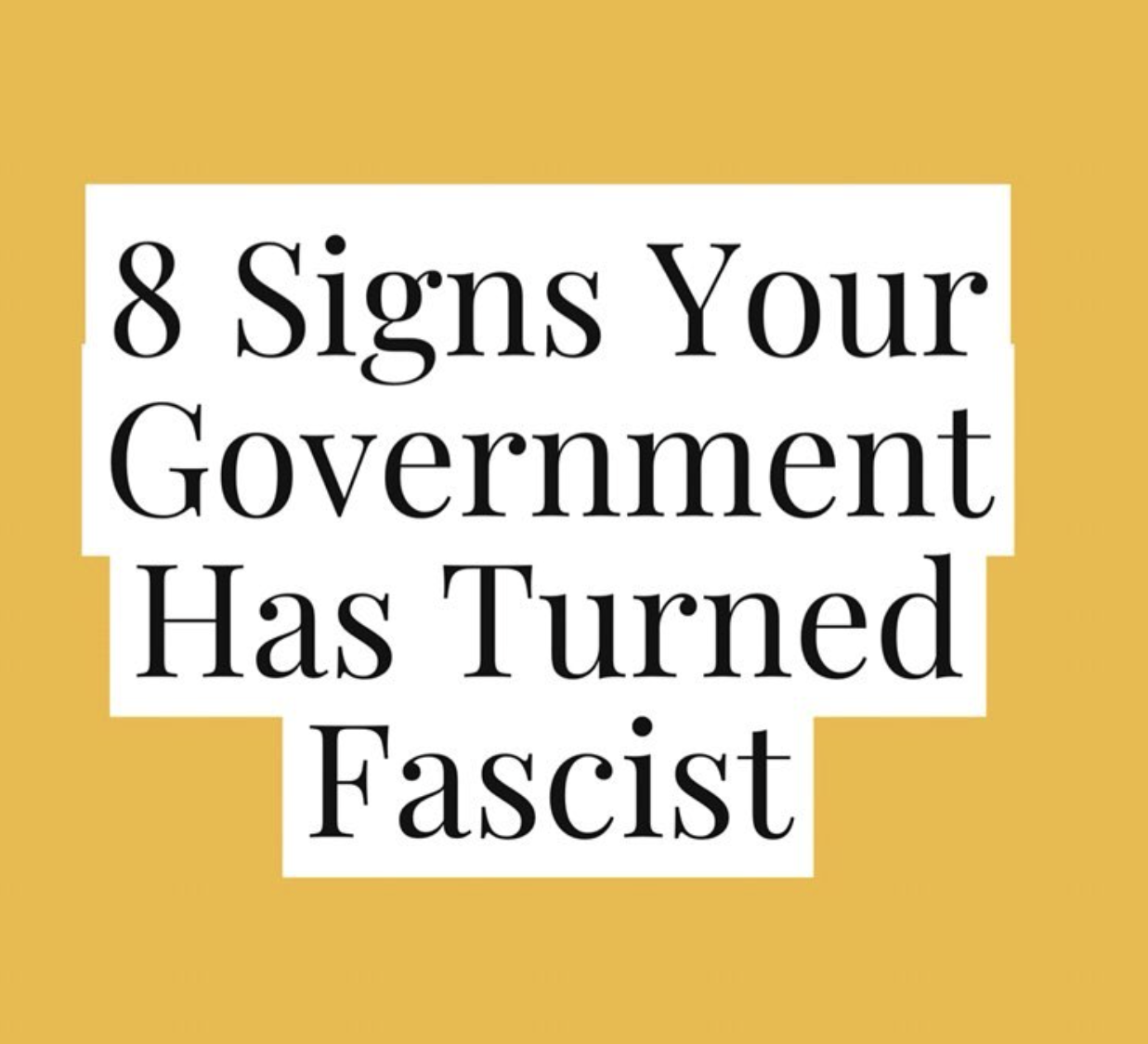
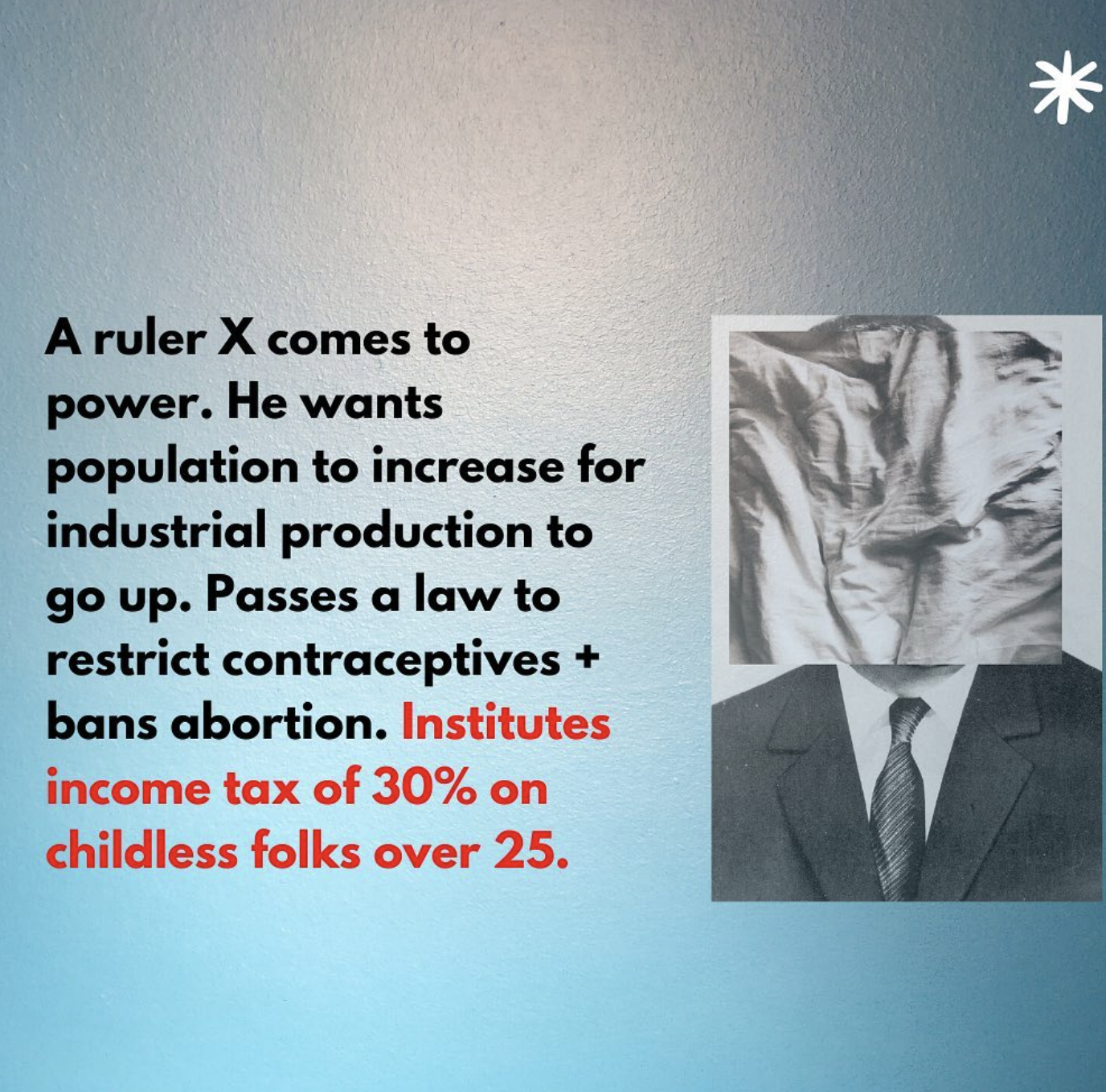
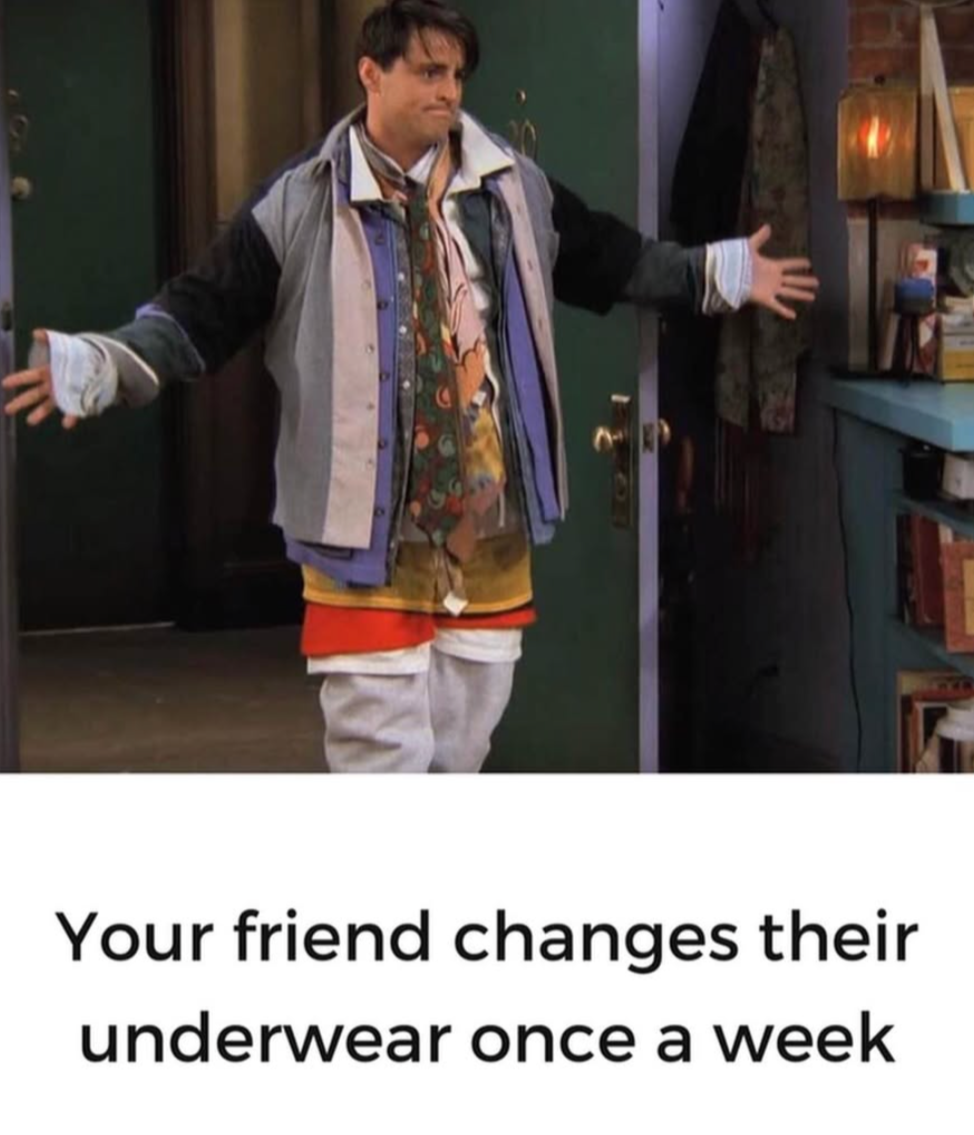
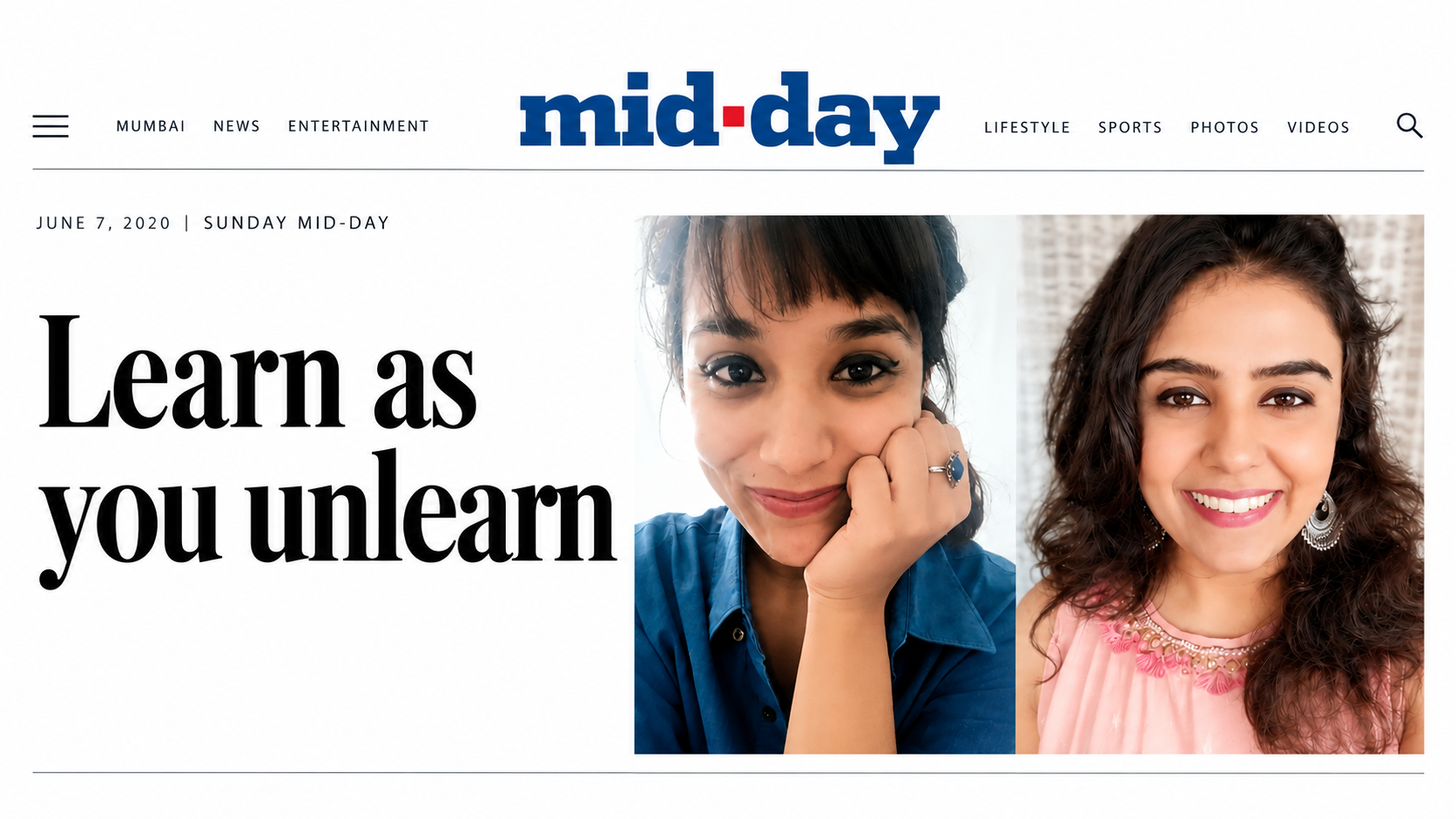
This approach was also something I spoke about publicly while working with WeUnlearn. In a 2020 Times of India feature on the rise of activist content on social media.
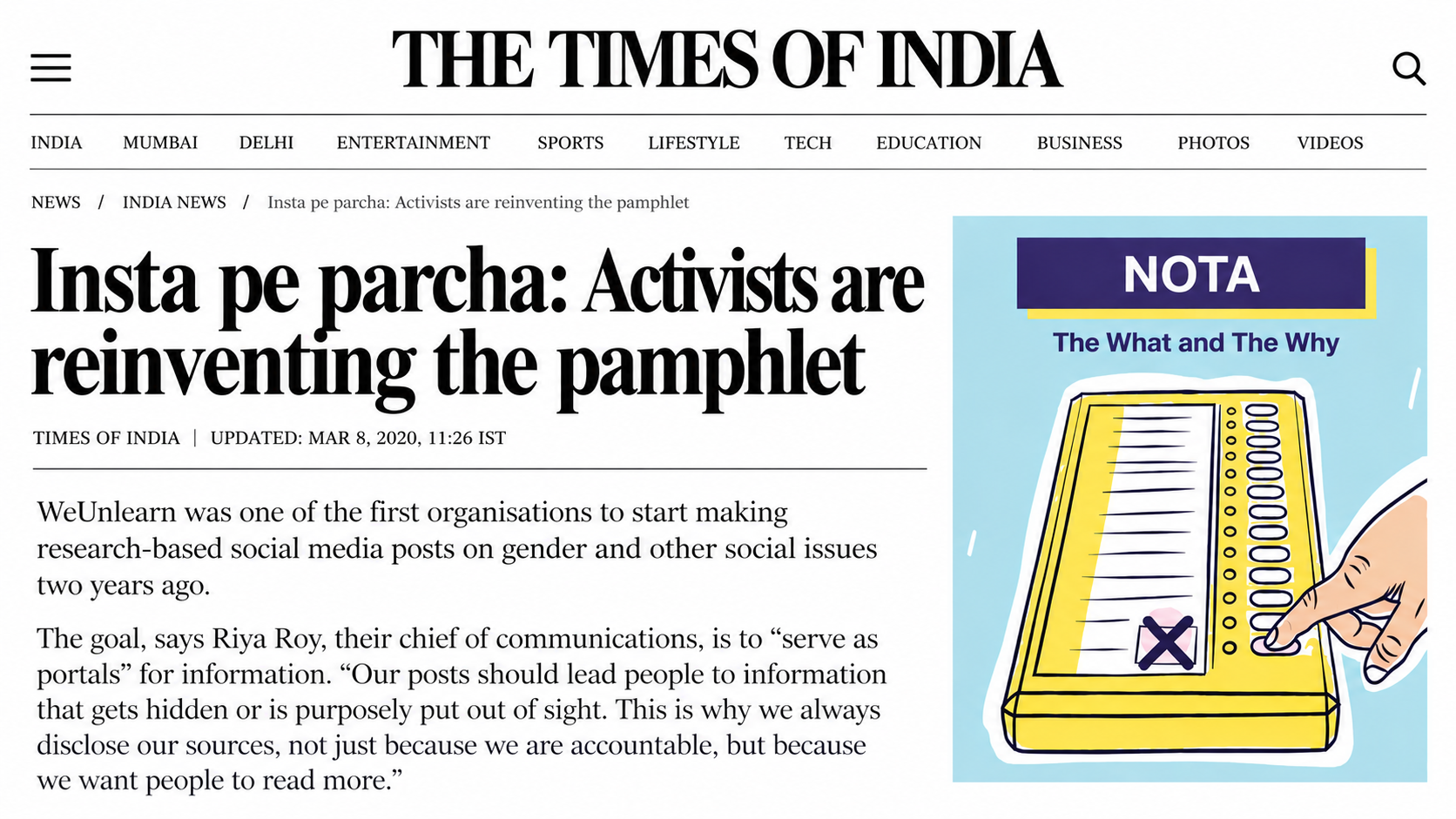
The idea was simple: make information easier to access, while leaving enough of the trail visible for people to follow it themselves.
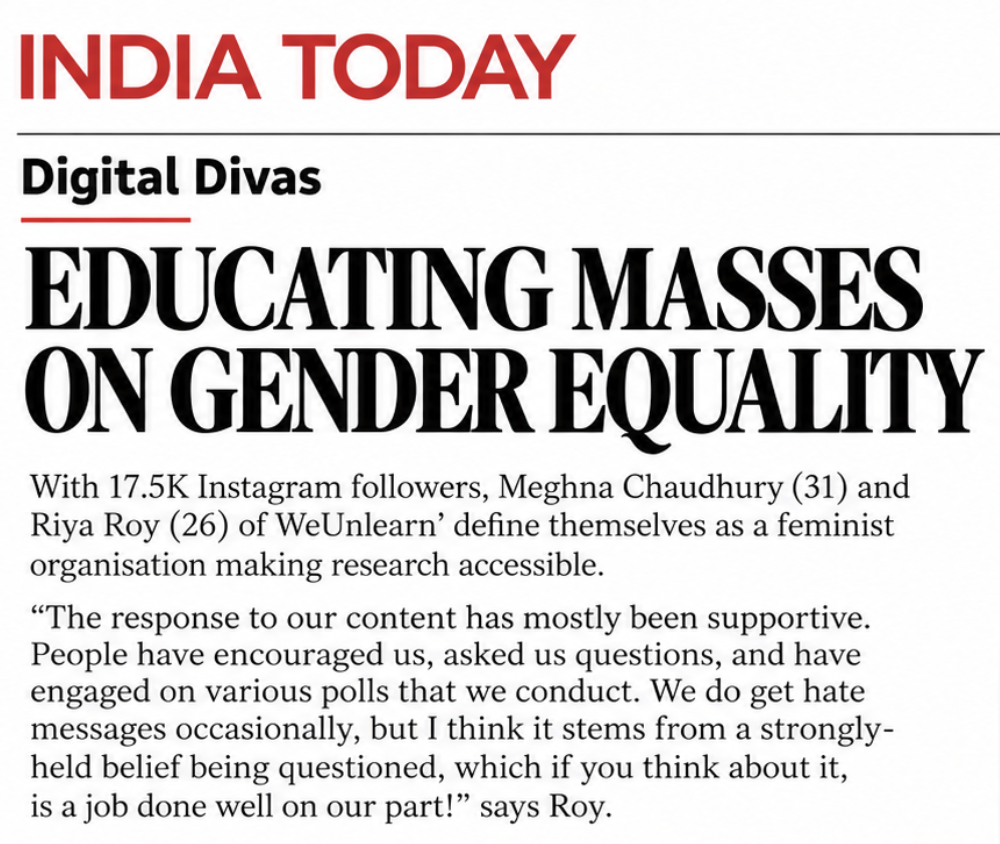
“Social media was instrumental in getting us more visibility but I also think it is because of the stellar work that Riya put in. We were clear that we wanted not to tell them what is right, but explain the research and analysis that led to that conclusion. We have consistently found out that by doing this, people are receptive to change and find the information valuable.”
As WeUnlearn grew, so did the subjects we worked on. What began largely around gender, feminism and intersectional prejudice gradually expanded into wider political and civic questions. I found myself working on how to make subjects like representation, elections and political systems understandable enough to engage with, without reducing them to soundbites.
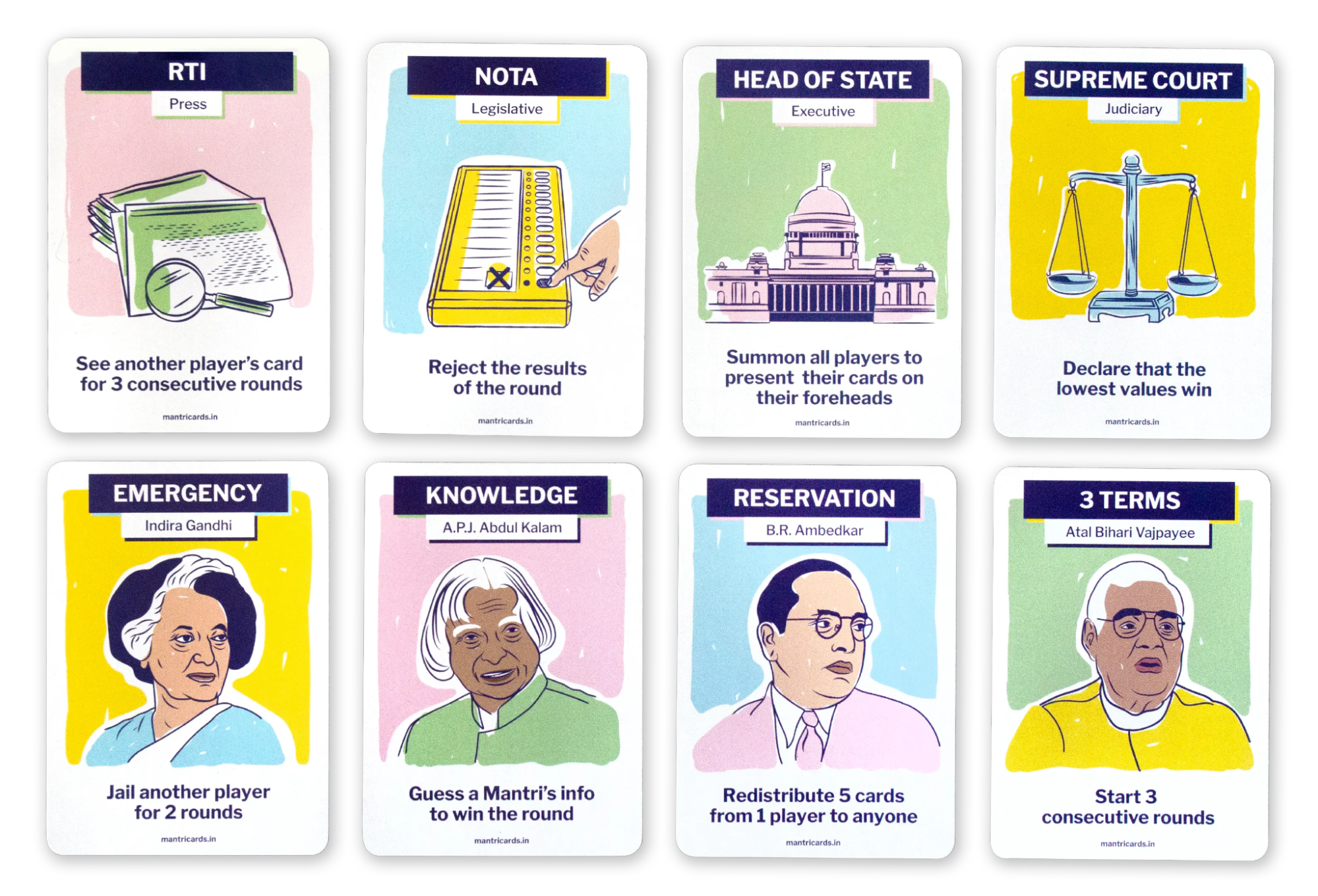
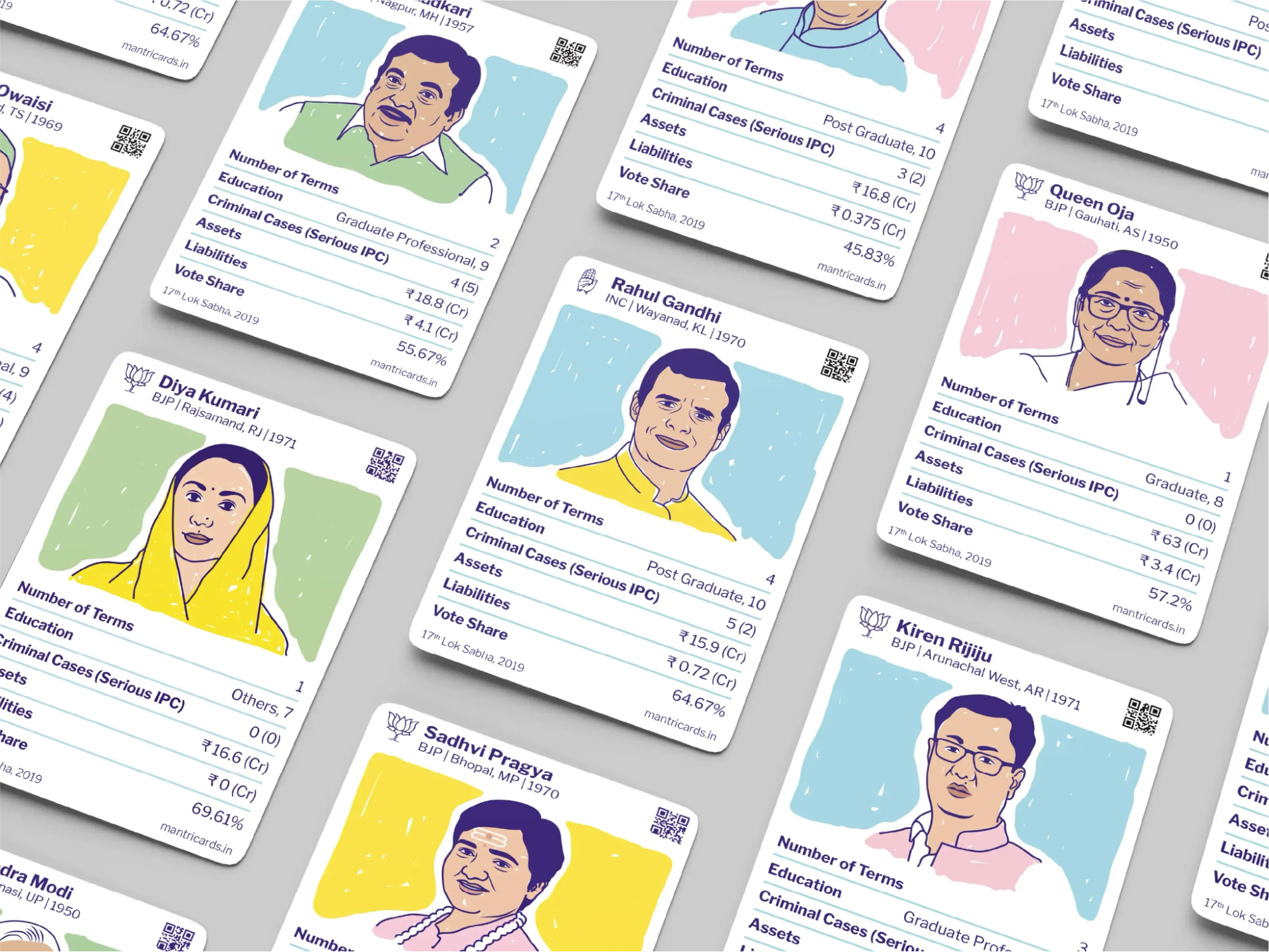
One of the projects I particularly enjoyed was our collaboration with Mantri Cards, which used research and a card game to make Parliament and political representation more accessible. WeUnlearn collaborated with them on a week of content that helped people understand how elections work, what different political structures mean and who actually represents them. The thinking was very much in keeping with how we approached everything else: give people the information, make it interesting enough to engage with, and let them form their own understanding.
WeUnlearn taught me that good communication can change the distance between a person and an idea. It can take something dense, unfamiliar or intimidating and give someone a way into it. That became one of the principles I carried forward into everything I worked on after.
