Content Architecture for Simpliwise

Content Strategy Is Designing for Learning
Simpliwise / Thinking about content

Content strategy
is designing
for learning.

We spend weeks polishing ideas and minutes deciding how they'll be consumed.
What if content strategy wasn't really about content?

Most content conversations begin with creation. What should we write about? Should we launch a newsletter? Do we need a podcast? How often should we post on LinkedIn?

Those are important questions. But when you're building a brand's content ecosystem, ask a different one too:

How should this idea be experienced?

Sometimes you don't need a 2,000-word article. You just need someone to explain a concept you've been hearing in meetings.

Sometimes you're not looking for an explanation at all. You want a point of view that helps you see a familiar problem differently.

And sometimes the only way to truly understand an idea is to see it play out in the real world.

So we built three unique ways into the same body of knowledge.

The Simpliwise ecosystem

Each property starts with the same question: what does someone need from this idea — and what is the best way to give it to them?
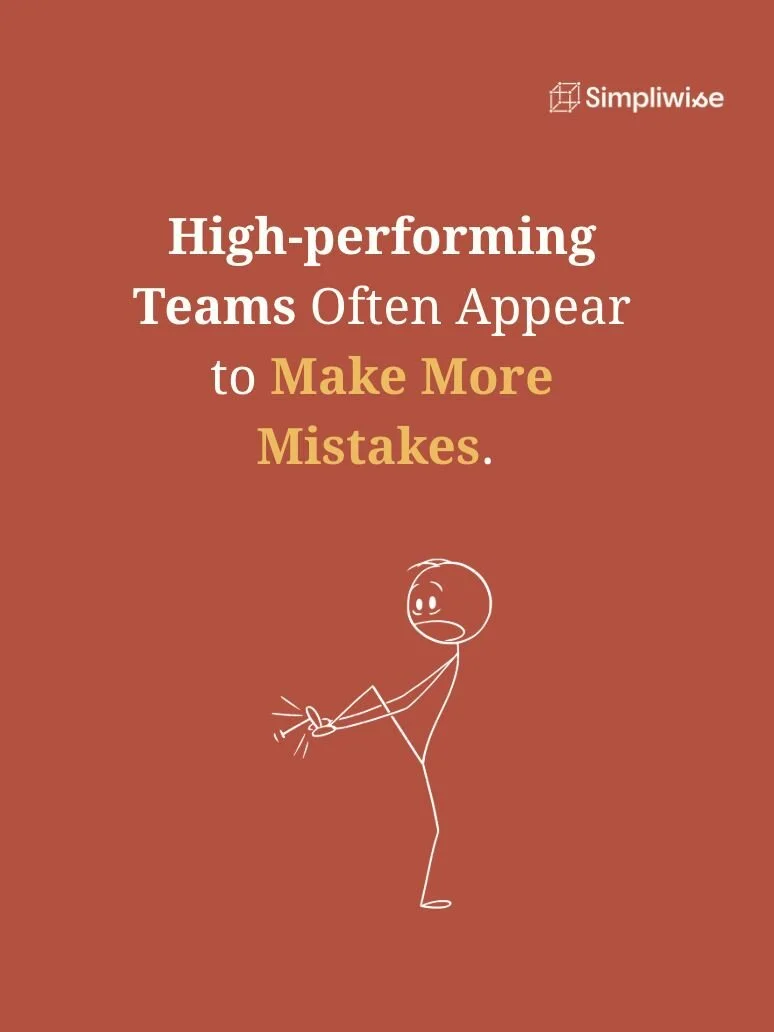
01 / Quick understanding

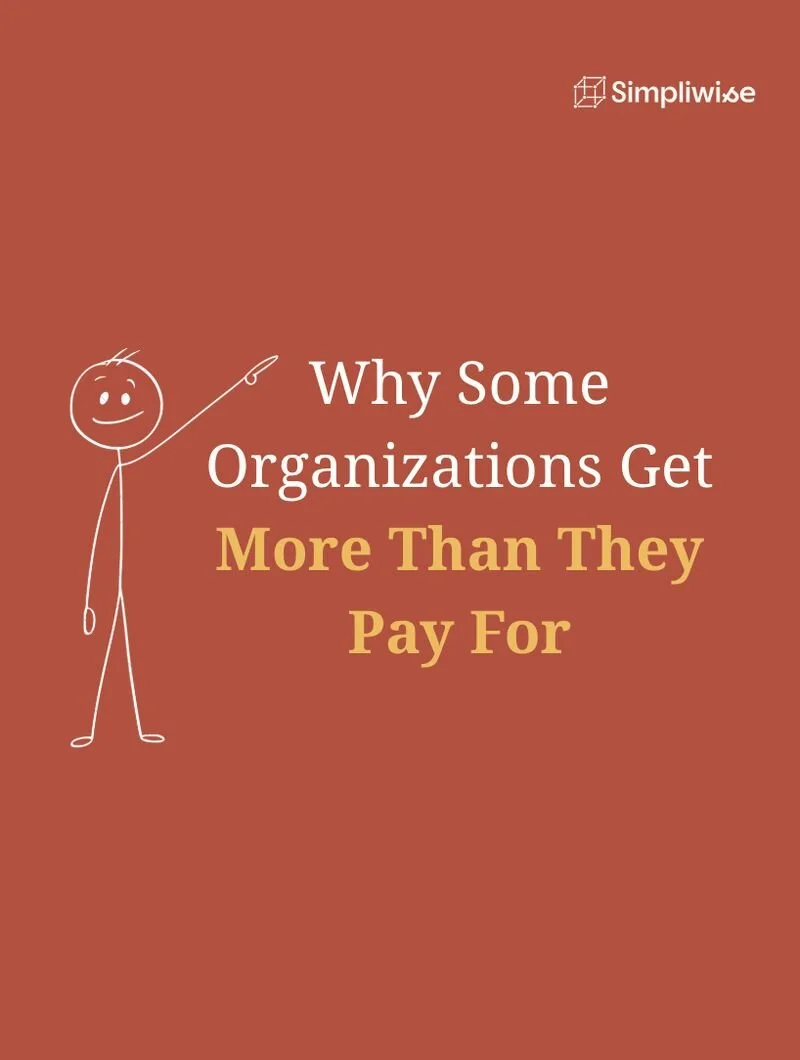
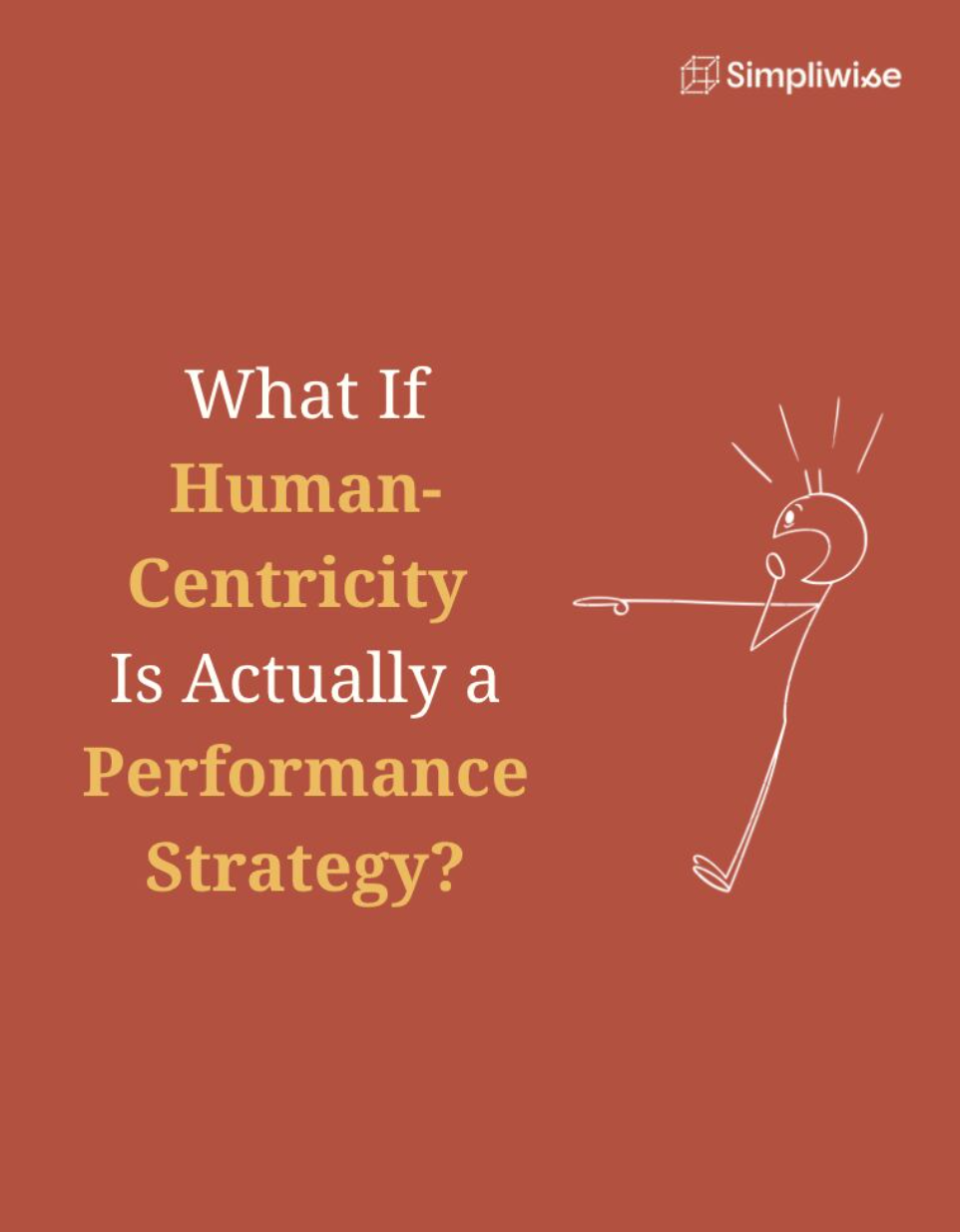
Nutshells

We created Nutshells for people who want to grasp a complex idea quickly.

They're like appetizers — small enough to finish in one sitting, useful enough to come back to.

They live primarily on LinkedIn, where people are often looking to learn something new in just a few minutes.

Nutshell 1
Nutshell 2
Nutshell 3
Nutshell 4
02 / A different perspective

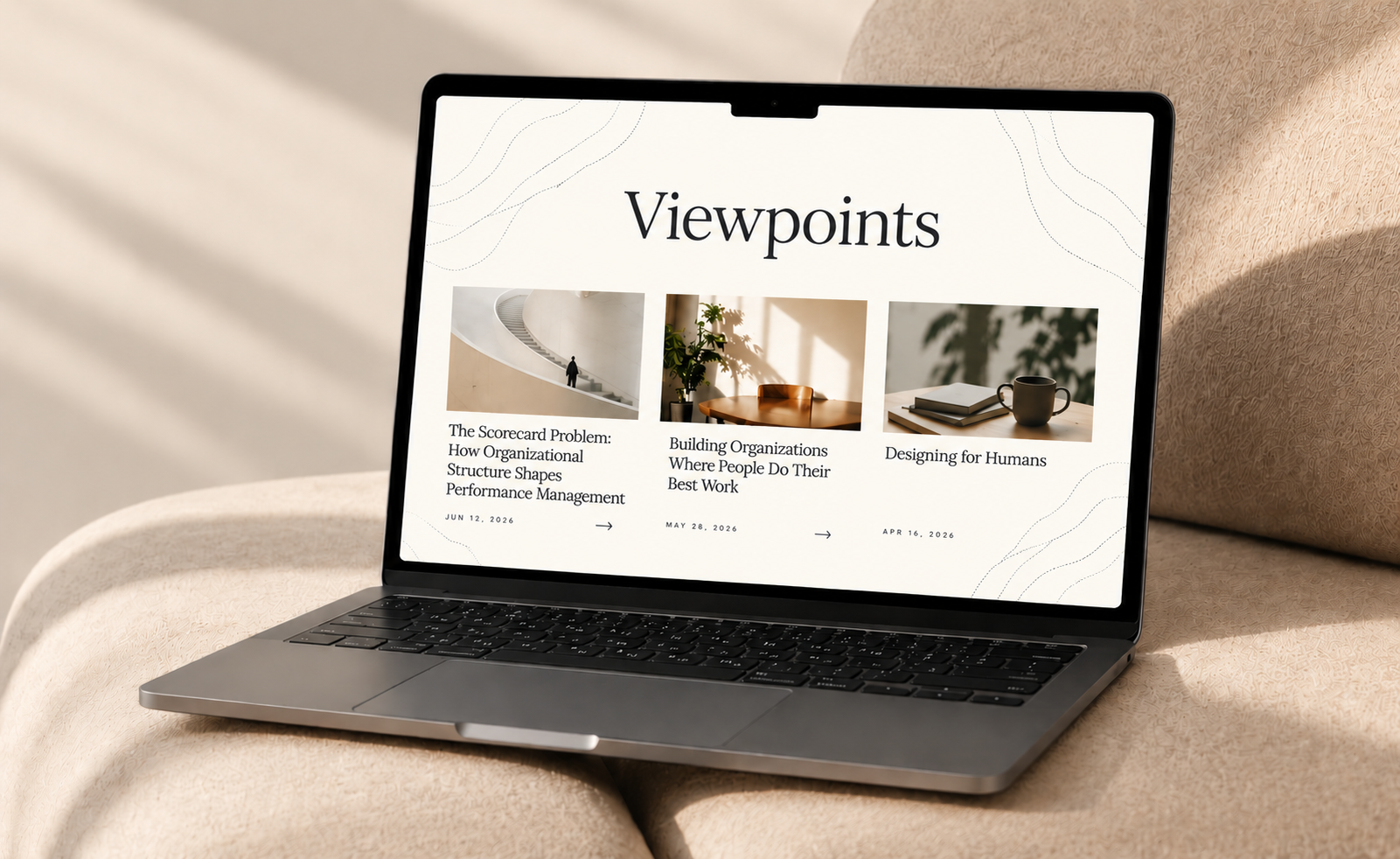
Viewpoints

We created Viewpoints for ideas that don't need exhaustive research but do come from having done the work and being an active participant in that world.

They're conversations more than explainers. They live on the website because they're meant for readers who want to spend a little longer with an idea.

These essays are born from practice and written to offer perspective rather than prescriptions.

Viewpoints
03 / Learn through stories

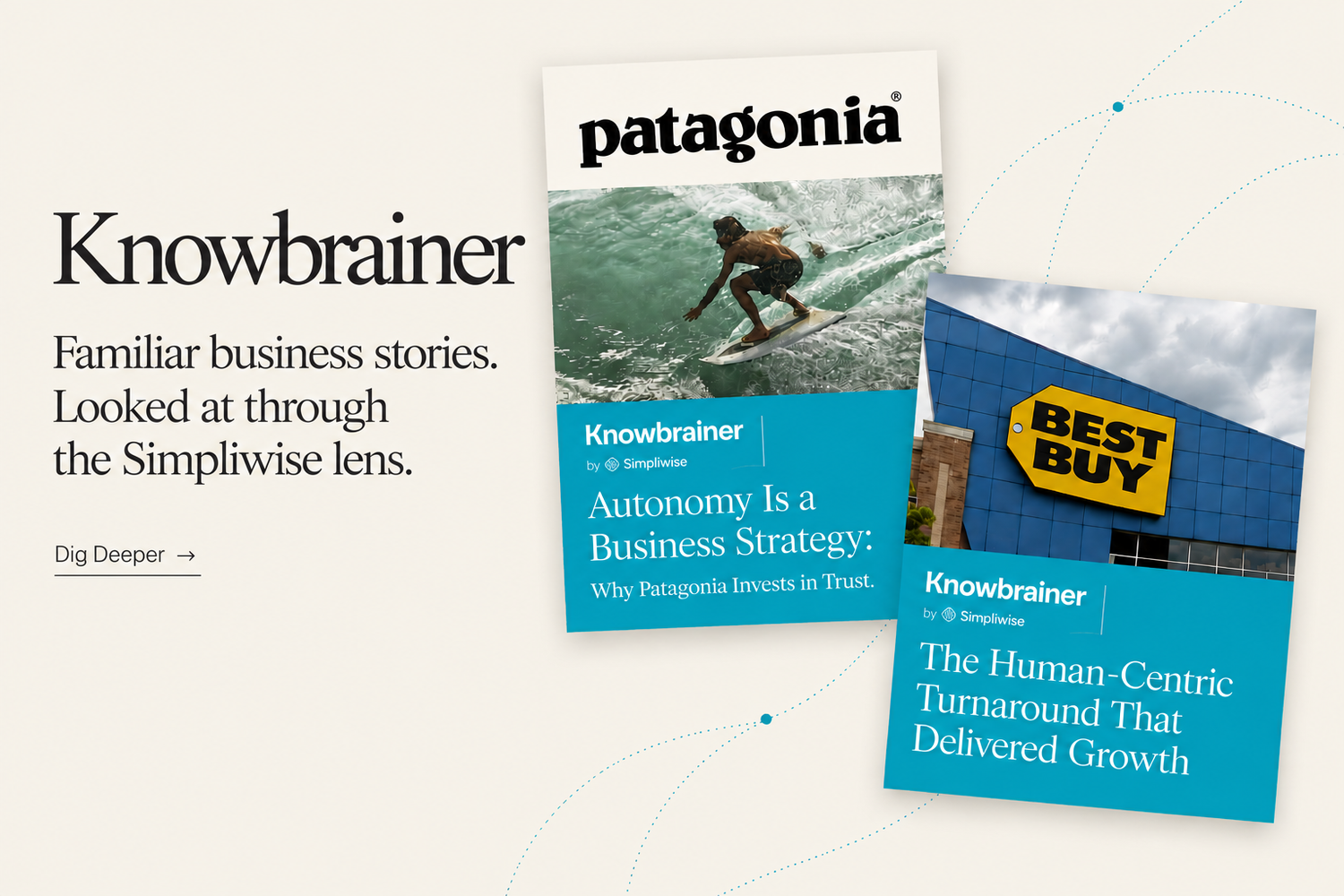
Knowbrainer

We created Knowbrainer to revisit well-known business case studies and reinterpret them through the Simpliwise lens.

Sometimes the best way to learn an idea is to watch it unfold in someone else's story.

It arrives in your inbox because subscribing is an act of intent. These case studies are for readers who want to sit with an idea, not just scroll past it.

Knowbrainer

Three different ways to enter the same world of thinking.

The bigger idea

Content isn't a calendar.

We often think of content strategy as a publishing exercise: pick a format, choose a channel, create a calendar.

But what you're actually doing is designing for learning.

That's how you get committed to memory, no?
Previous
Previous

How Narrative Shaped GSS

Next
Next

Less Pet-Speak. More Pet Care